
 Back home
Carignan
Spain’s ancient red grape is back—revamped, juicy, and ready to sip!
TL; DR
An ancient Spanish red grape that became the most overused variety in France, now making a comeback thanks to a new wave of deliciously drinkable medium-bodied wines.
So, what is Carignan all about?--red
Carignan, also known as Mazuelo, Bovale Grande, Carignano, or Cariñena (it has many names), originally came from Spain, where it has a pretty grand history of making rustic, powerful red wines. But in the south of France, it became a workhorse grape used to make oceans of cheap red wine and rosé. Carignan was basically a synonym for rough reds you buy for €1 in some giant Euro hypermart.
A big reason why Carignan became so popular is that the bunches are HUGE, and grapegrowers can make shedloads of wine from small plots. Parfait! However, huge yields also translate into flavourless wines. Carignan is also known for its high acidity and lots of tannin, which means bitter wines that taste like chewing on a boot. Unfun. The good news is that old vine Carignan/Carignano/etc can make powerful red wines of epic proportions, while we’re also seeing winemakers with a light touch make some pretty delicious chilled reds from Carignan too (and wonderous rosé for that matter).

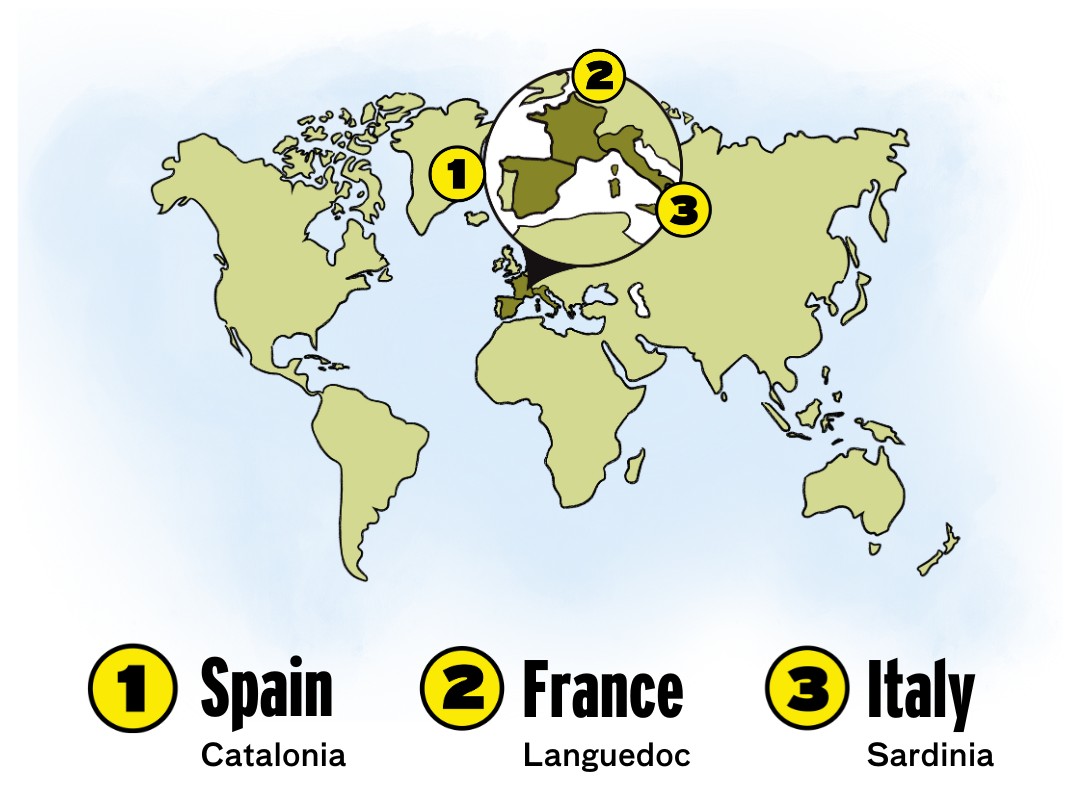
Where did Carignan originate?--earth
Languedoc-Roussillon, France,
Catalunya, Spain,
Sardinia, Italy
Who's famous for Carignan?--racy
Southwest France has the most Carignan, with some ancient plantings in places like Corbières making some of the best Carignan. Over in Spain, where it’s known as Mazuelo/Cariñena, the slatey soils of Priorat make legendary wines of withering intensity. Finally, Carignano/Bovale Grande is also one of the hero red grapes of Sardinia.
What does Carignan taste like?--aromatic
Carignan produces a deep ruby-coloured wine high in acidity and tannin. Often slightly bitter, it is typically medium to full-bodied, with fruit flavours ranging from raspberry to plums and dark cherry, with umami and exotic sweet spices in spades. Expect plenty of leathery rustic notes and a healthy dollop of earth.

How is Carignan made?--cellar
The biggest challenge with Carignan is softening those rough edges. As we mentioned, the best wines tend to come from old bush vines, which naturally produce fewer grapes and more intense, rounded flavours, especially when the berries are picked when very ripe. Importantly, Carignan grapes get ripe really late in the season, so this is one variety that really likes sunshine and warmth. Winemakers also use carbonic maceration, where whole berries are thrown intact into the fermentation vat. Carbonic maceration gives a gummy berry juiciness that really helps ol’ Carignan get a bit more friendly. Carignan is often blended with other grapes like Syrah, Grenache or Mourvèdre for more complete wines.
What are the different styles of Carignan?--lemon
Aside from the full-bodied and rugged red style, you’ll also see Carignan made into light red wines where juice and skin are separated early to make for fruitier, fun wines. Of course, the other very important use for Carignan is as an important element in many a great rosé, where it’s colour and acidity can be very useful to perk up plenty of delicious pink wines.
What foods pair with Carignan?--plum
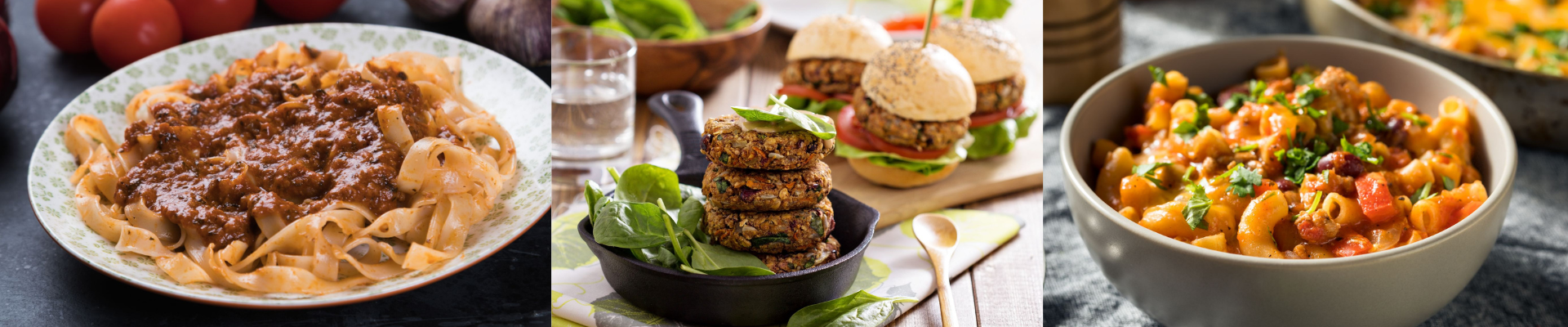
Due to its pronounced acidity, high tannins, and meaty notes, Carignan wine is an excellent partner for flavourful meat dishes such as spicy lamb kofte, beef brisket, or roasted pork/turkey. Smoked meats and vegetables are very much a friend of Carignan, helped along by the grape’s natural acidity. For vegan options, Carignan also works with earthy vegetables such as miso eggplant lasagne and mushroom risotto. Naturally, the grape is also fantastic with charcuterie and hard cheeses like Manchego and Parmesan.

Recipes to pair with Carignan--pizza
Fun fact about Carignan--eggplant
Carignan was once France’s most planted red variety, peaking in the 1990s when most of southern France was awash in Carignan. It’s now slipped all the way to sixth, behind the unexpectedly most planted grape in France, Merlot.
If you like this, you should also give these grapes a guzzle...--wines
Carménère, Aglianico
About the Author:
Andrew Graham is a master winemaker and viticulturist (aka a grape guy) who fell into the wine industry as a teenager and never looked back! Voted the 23rd most trusted wine critic on the planet, Andrew judges at wine shows across the globe and runs foolishly long ultramarathons in his spare time (swiftly followed by a recuperative glass of wine or a frosty beer).
Do you know your wine personality? If your answer is no, take our quiz to find out which wines to pick up next and build your box!
Build my box