 Back home
Caladoc
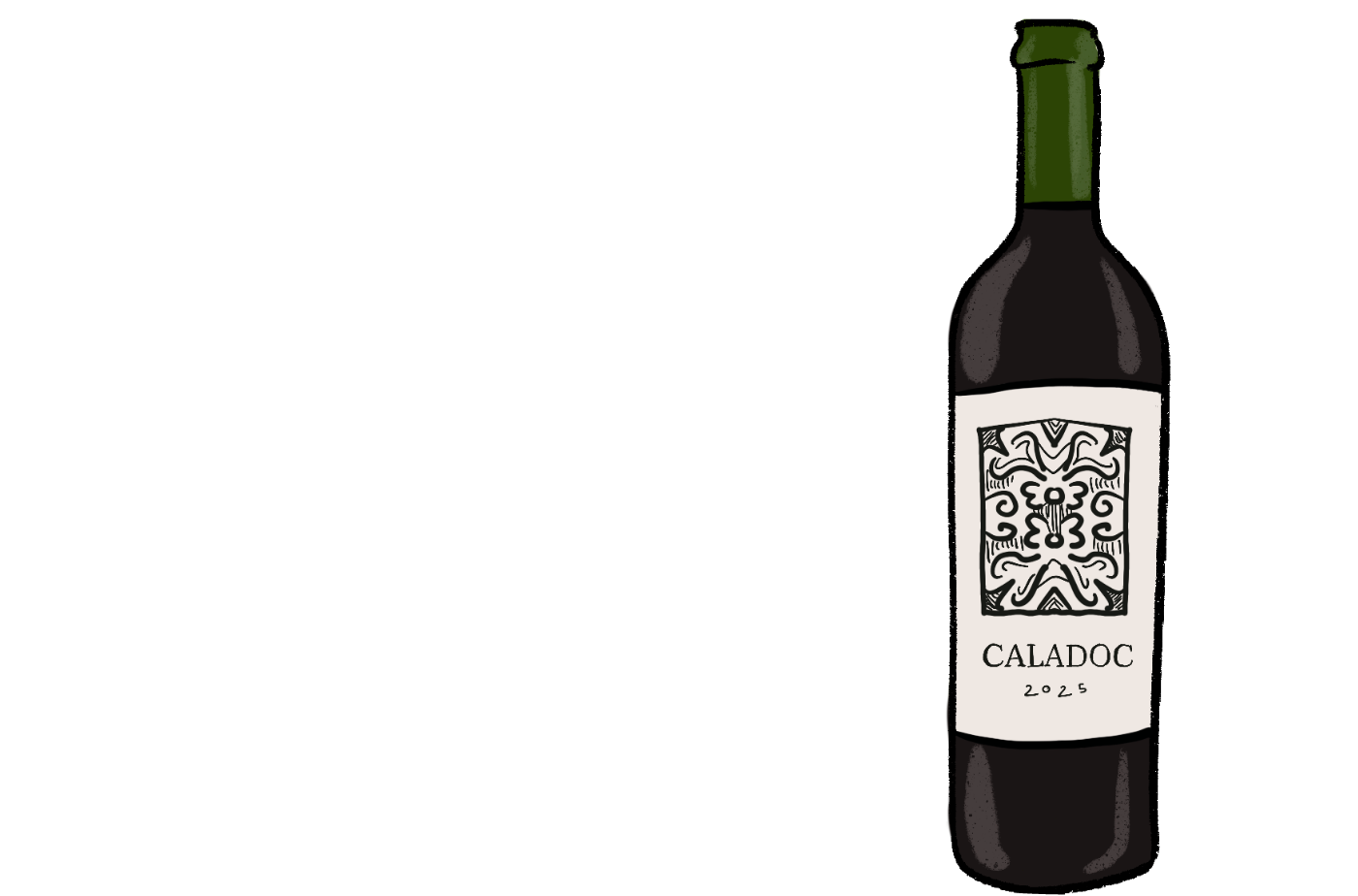
Caladoc is a quietly likeable French red with juicy fruit, soft tannins, gentle spice.
TL; DR
A little-known French red that’s the lovechild of Grenache and Malbec - big on colour, low on drama, and quietly turning heads in warm, dry vineyards around the world. Caladoc is drought-hardy, disease-resistant, and shockingly likeable, with juicy red fruit, soft tannins, and just enough spice to keep things interesting.
So, what is Caladoc all about?--red
Caladoc is a modern hybrid grape, born in France in 1958 from a match-up between Grenache (all charm and warm fruit) and Malbec (structure, colour, edge). Created by viticulturist Paul Truel, the goal was to build a red grape that could handle hot, dry conditions without flaking out - and voilà, Caladoc arrived. At first, it lived a quiet life in experimental vineyards and anonymous blends. But now, thanks to climate change and the search for more sustainable, resilient varieties, Caladoc is finally getting its moment in the sun - and it’s thriving in Mediterranean regions that need grapes that don’t wilt under pressure.

Where did Caladoc originate?--earth
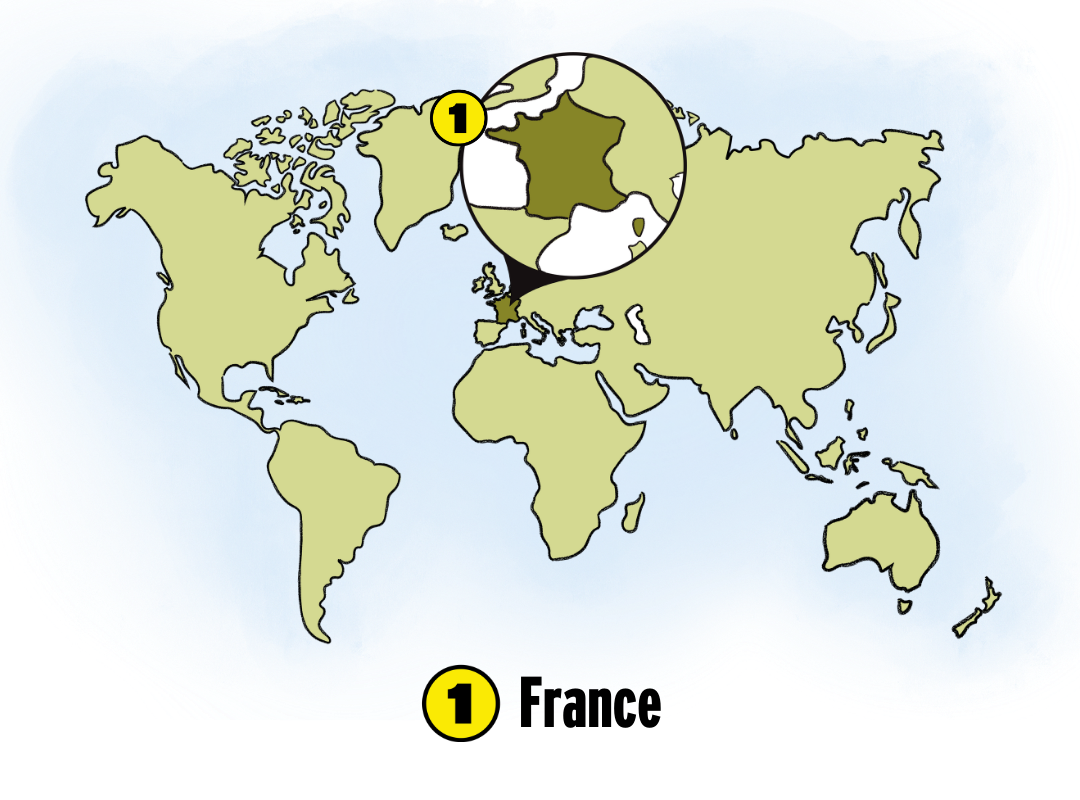
Southern France, specifically developed at the Institut National de la Recherche Agronomique (INRA) - aka where the French make grapes in lab coats.
Who's famous for Caladoc?--racy
Still mostly found in southern France, especially the Languedoc and Provence regions, but it’s also being embraced in Spain, Portugal, and even parts of South America and Australia, where warm, dry vineyards are the name of the game. It’s one of those grapes that quietly shows up in blends, adds colour and charm, and makes winemakers go, “Wait… why aren’t we planting more of this?”
What does Caladoc taste like?--aromatic
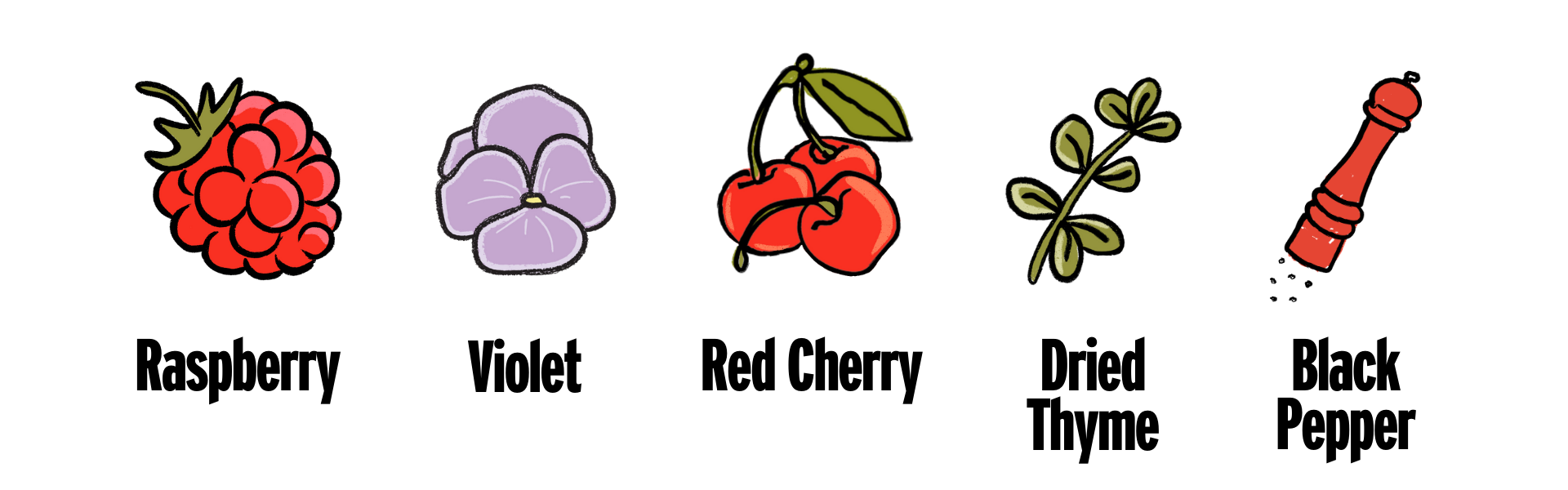
Think ripe red cherry, cranberry, black pepper, and a touch of dried herbs - it’s fruity, floral, and smooth, often with a soft tannic frame and a gentle spice on the finish.
How is Caladoc made?--cellar
Usually kept fresh and fruit-forward, Caladoc is often fermented in stainless steel or concrete to let the bright fruit flavours shine. Some winemakers will age it briefly in neutral oak or blend it with other Mediterranean grapes like Syrah or Carignan for a bit more structure. Its natural disease resistance and ability to keep acidity in warm climates also make it a darling of organic and sustainable vineyards, especially where water is scarce and mildew is the enemy.
What are the different styles of Caladoc?--lemon
While Caladoc has spent most of its life quietly blending in (literally), single varietal bottlings are starting to step into the spotlight - especially from natural and climate-conscious winemakers. It shows up in a few distinct styles: bright, juicy reds that are unoaked or lightly aged, full of red fruit and gentle spice; rosés that are surprisingly expressive and vibrant, particularly in the south of France; and minimal-intervention wines that lean wild, herbal, and a little crunchy, bringing out Caladoc’s more playful side. It still stars in blends too, often teamed up with Grenache, Syrah, or Mourvèdre to amp up the colour and aromatics - a quiet overachiever with range.
What foods pair with Caladoc?--plum
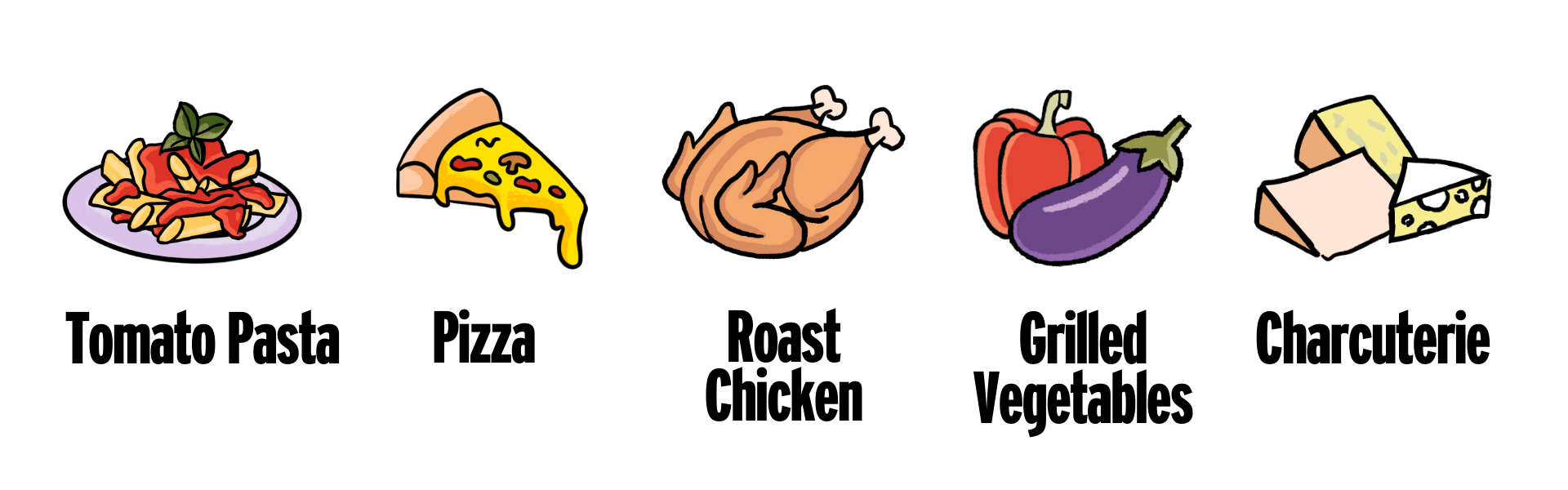
Caladoc is a laid-back red that loves anything Mediterranean - grilled veggies, tomato-based dishes, herby roast chicken, and charcuterie all play beautifully. It’s also a great match for pizza, ratatouille, lamb koftas, or a cheese + olive picnic situation. Serve it slightly chilled if it’s young and fruity, or let it warm up a touch if you’ve got a spicier or oakier version.
Recipes to pair with Caladoc--pizza
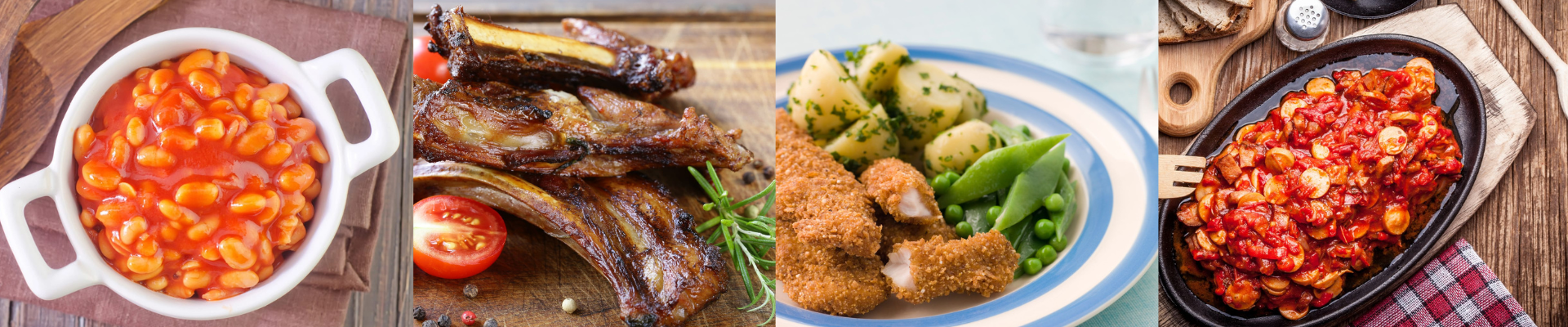
- Tunisian Lamb Chops
- Bangers ‘n’ Ratatouille
- Herby Chicken Goujons
- Greek Butter Beans with Tomato and Garlic
Fun fact about Caladoc--eggplant
Some forward-thinking producers are using Caladoc as a climate-resilient alternative to more fragile red varieties.
About the Author:
Rachael is the UK Wine Buyer for GPD, with over a decade in the wine trade and a sharp eye for bottles that overdeliver. Currently tackling her WSET Diploma, she’s already turned heads by winning the Conseil Interprofessionnel du Vin de Bordeaux Prize for her WSET Level 3 results. Driven, detail-obsessed, and endlessly curious, Rachael blends commercial savvy with a genuine love of learning, and sharing, great wine stories.
Do you know your wine personality? If your answer is no, take our quiz to find out which wines to pick up next and build your box!
Build my box